The Lifeblood of Survival: Liquidity in a Frozen World
The Lifeblood of Survival: Liquidity in a Frozen World
Introduction: The Mirage of Wealth In the world of fine art, a masterpiece might be valued at fifty million dollars.
On a balance sheet, that figure looks magnificent—it radiates power, stability, and success.
But if the owner of that painting suddenly needs five thousand dollars to cover an emergency medical bill and has no other cash, they are, in that specific moment, functionally poor.
They possess “wealth,” but they lack “money.”
This is the paradox of liquidity.
In the narrative of finance, liquidity is the “oil” in the engine.
You don’t notice it when it’s there, but the moment it runs dry, the entire machine grinds to a catastrophic, metal-shrieking halt.
To be truly wealthy is not just to own assets; it is to have access to the right kind of capital at the right time.

The Spectrum of Availability Liquidity is not a binary “yes or no”; it is a spectrum.
On one end, you have physical cash and checking accounts—the “high-velocity” assets.
On the other end, you have private equity, timberlands, or a specialized manufacturing plant—the “frozen” assets.
Cash and Money Markets: These are your oxygen.
They provide the immediate ability to pivot.
In a crisis, “Cash is King” because it is the only asset that doesn’t require a buyer’s permission to be valuable.
Public Equities (Stocks): Generally liquid, but with a “price penalty” for urgency.
If you are forced to sell your stocks during a market crash to pay for a broken roof, you aren’t just spending money—you are cannibalizing your future compounding.
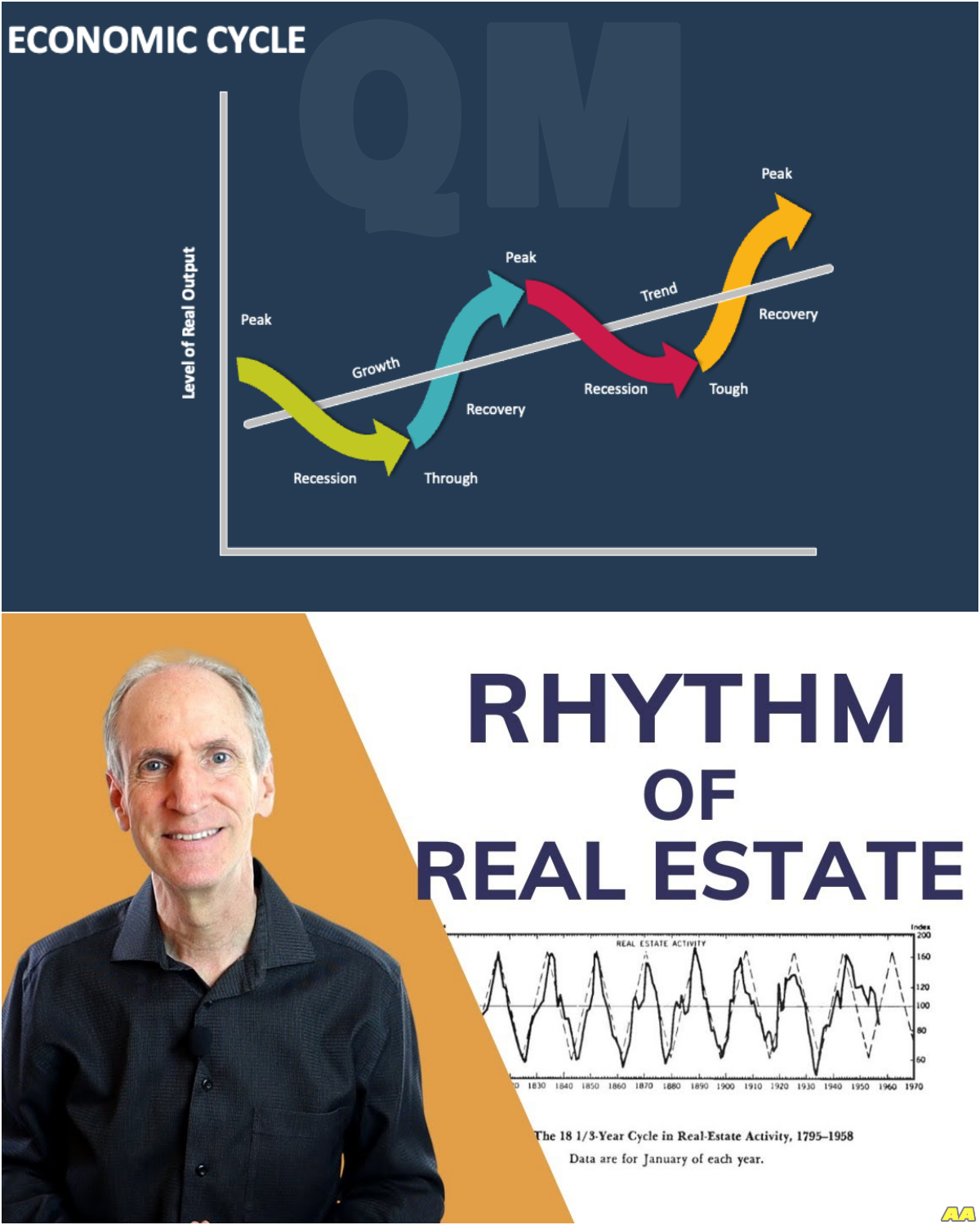
Real Estate: The ultimate “slow” asset.
It can take months to find a buyer and weeks to close.
Real estate is a wonderful wealth-builder, but a terrible emergency fund.
The Opportunity Cost of Being “Too Safe” If liquidity is so vital, why not keep everything in a savings account? This is where the “writerly” balance of finance comes in.
Too little liquidity leads to ruin; too much liquidity leads to stagnation.
Money sitting in a zero-interest account is “lazy capital.” It is being eaten by the inflation we discussed in the previous chapter.
The art of financial engineering is to maintain just enough “dry powder” to survive a storm and seize an opportunity, while keeping the rest of your soldiers (your dollars) out in the field, working and earning.

Insurance as “Guaranteed Liquidity” One of the most sophisticated roles of insurance—specifically Permanent Life Insurance—is its function as a private reserve of liquidity.
Through “Policy Loans,” a policyholder can access their cash value without the red tape of a traditional bank loan.
In a “frozen” credit market, where banks stop lending and stock prices are plummeting, the cash value in a life insurance policy remains a “contractual” source of liquidity.
It is a “Plan B” that doesn’t depend on the volatility of the outside world.
For the business owner or the serious investor, this isn’t just a safety net; it’s a “war chest.” It allows them to buy assets when everyone else is forced to sell.

The Psychology of the Emergency Fund Most financial gurus recommend a “3 to 6-month” emergency fund.
While the math is sound, the psychology is deeper.
An emergency fund is not an “investment”; it is an “insurance policy against bad decisions.”
When you have a liquid cushion, you don’t panic.
When you don’t panic, you don’t sell your stocks at the bottom.
When you don’t panic, you can negotiate from a position of strength.
Liquidity buys you the most valuable commodity in the world: Time to think.
It prevents a temporary setback from becoming a permanent financial scar.

Conclusion: Flowing Like Water Bruce Lee famously said, “Be water, my friend.” In finance, this translates to being liquid.
Your wealth should be structured so that it can flow where it is needed most.
A perfect financial plan is like a well-designed plumbing system.
It has reservoirs for long-term growth, but it also has taps that can be turned on instantly when the house is on fire.
As you build your 30-day, 30-year, and 30-generation legacy, never forget that the “frozen” wealth of a king is useless if he cannot buy a loaf of bread when he is hungry.