The Engine of Innovation: Stocks and the Democracy of Ownership
Introduction: The Invisible Partnership When we look at a stock ticker—a chaotic dance of red and green symbols—it is easy to forget what those letters actually represent.
We treat them like betting slips in a casino, or digital tokens in a video game.
But in the grand narrative of your 30-year financial legacy, a stock is something much more poetic: it is a “Certificate of Partnership.”
To own a stock is to own a slice of human ingenuity.
It is to have thousands of the world’s smartest people waking up every morning to work for you.
You don’t have to manage the factory, write the software, or navigate the global supply chain; you simply provide the capital and, in return, you participate in the harvest of their labor.
The stock market is the greatest “democratization of wealth” in history, allowing a schoolteacher to own the same companies as a billionaire.

The Spectrum of Equity: Growth vs.
Value In the “writerly” craft of portfolio construction, we must choose our characters wisely.
The equity market is generally divided into two competing philosophies:
Growth Investing (The Protagonist): These are the innovators—the tech giants, the biotech disruptors, the companies of tomorrow.
They don’t pay dividends because they reinvest every dollar into their own expansion.
Investing in growth is a bet on “what could be.” It is high-octane, volatile, and exciting.
Value Investing (The Antagonist): These are the “old guard”—the banks, the utilities, the consumer staples.
They are often unloved by the headlines, but they have sturdy balance sheets and consistent cash flows.
They pay dividends—the “rent” of the corporate world.
Investing in value is a bet on “what already is.” It is the steady, reliable heartbeat of a portfolio.
A sophisticated 30-year plan doesn’t choose one; it seeks a “symphony” of both.
Growth provides the “lift” for your future, while value provides the “ballast” for your present.

The Trap of the “Hot Tip” and the Psychology of Speculation The stock market is a “storytelling machine.” Every day, the media creates a new hero (a surging stock) or a new villain (a crashing sector).
Most investors fail because they read the “short stories” (daily news) instead of the “epic novel” (decades of growth).
Speculation is the attempt to guess the next page.
Investing is the commitment to stay for the entire book.
When you trade frequently, you aren’t an owner; you are a “renter” of price movements.
You incur taxes, transaction costs, and—most importantly—emotional exhaustion.
The “writerly” investor knows that the most productive thing to do with a great company is often to do nothing at all.
Insurance: The Hedge Against Corporate Fragility While stocks offer the highest potential for long-term growth, they carry the “risk of zero.” A company can go bankrupt, a sector can be disrupted by AI, or a CEO can make a catastrophic error.
In this chapter, insurance acts as the “Non-Correlated Counterweight.” If 80% of your wealth is in the “innovative energy” of the stock market, your insurance policies (and their guaranteed cash values or death benefits) provide the “certainty” that doesn’t depend on a quarterly earnings report.
When the stock market has a “bad decade” (like the 1970s or the 2000s), your insurance assets remain a steady, predictable floor.
It is the “Plan B” that allows you to be aggressive with “Plan A.”
Dividends: The “Language of Reality” In a world of accounting tricks and “pro-forma” earnings, dividends are the ultimate source of truth.
A company can fake its growth projections, but it cannot fake a cash payment to its shareholders.
For the long-term investor, Dividend Reinvestment (DRIP) is the twin brother of Compound Interest.
By using your dividends to buy more shares, you are “stacking” your ownership.
Over thirty years, the number of shares you own can grow exponentially, even if you never add another dollar of your own “earned income.” This is the transition from “working for money” to “owning the machines that make money.”
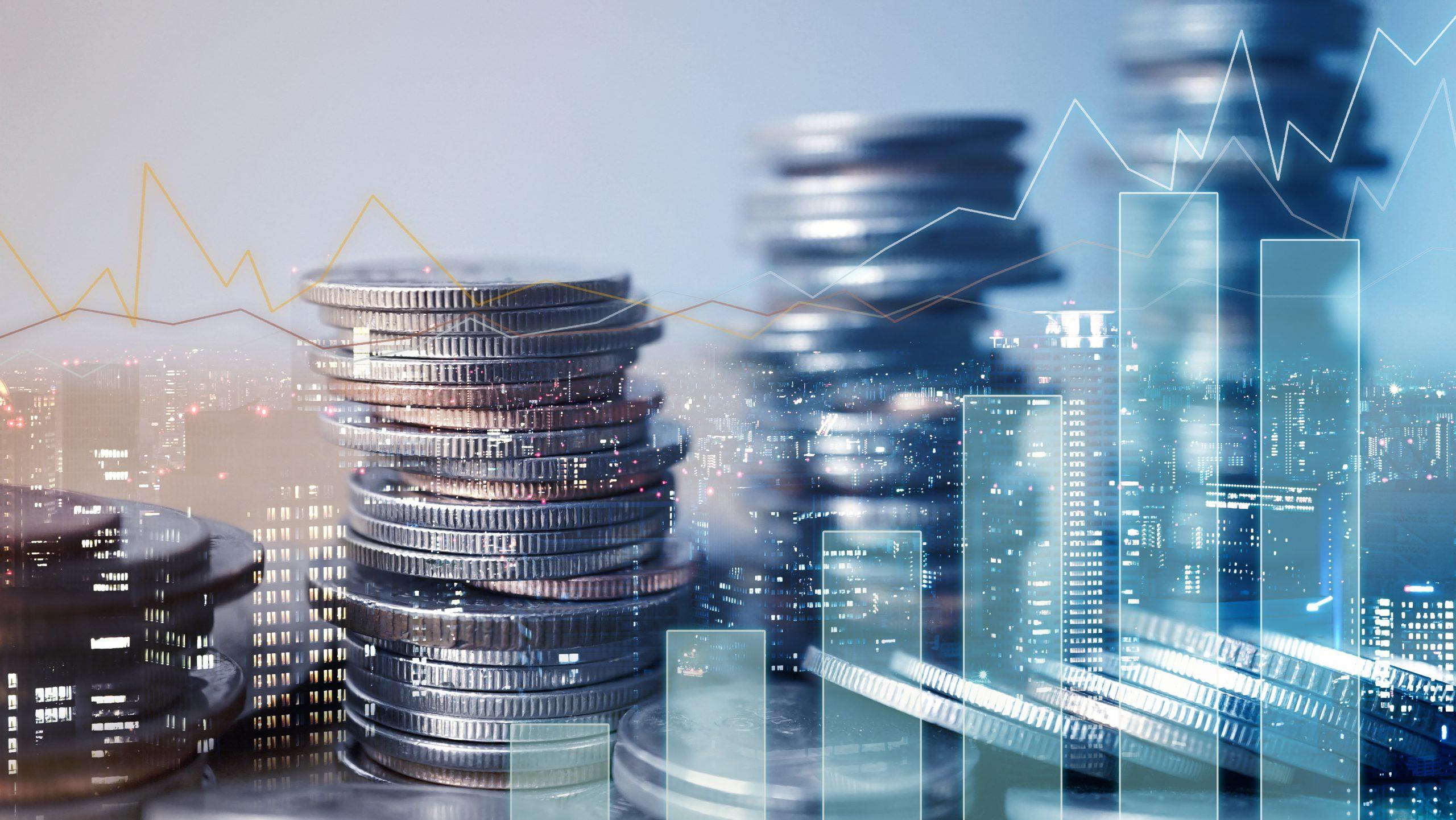
Conclusion: Becoming a Capitalist The stock market is often criticized as a “volatile roller coaster.” But if you zoom out—if you look at a 30-year chart of human progress—it looks more like an escalator.
There are bumps and dips, but the trajectory of human innovation is always upward.
By owning stocks, you aren’t just “investing”; you are claiming your seat at the table of the global economy.
You are becoming a capitalist in the truest sense of the word.
You are betting on the resilience of the human spirit to solve problems and create value.
And as long as humans continue to dream and build, your “Certificates of Partnership” will remain the most powerful engine of wealth ever created.
News
The Final Summit: The Integration of Wealth, Wisdom, and Worth
The Final Summit: The Integration of Wealth, Wisdom, and Worth Introduction: The View from the Peak Every great story has…
The Zen of Finance: Finding Clarity in a World of Noise
The Zen of Finance: Finding Clarity in a World of Noise Introduction: The Fog of Abundance We live in an…
The Sovereign Self: The Strategic Path to Financial Independence
The Sovereign Self: The Strategic Path to Financial Independence Introduction: Redefining the Finish Line For generations, the “Standard Narrative” of…
The River of Revenue: Mastering the Flow of Passive Income
The River of Revenue: Mastering the Flow of Passive Income Introduction: The Mirage of “Doing Nothing” In the popular mythology…
The Owner’s Advantage: Equity, Enterprise, and the Engine of Scale
The Owner’s Advantage: Equity, Enterprise, and the Engine of Scale Introduction: Beyond the Hourly Rate In the early chapters of…
The Currency of Impact: The Strategic Art of Giving Back
The Currency of Impact: The Strategic Art of Giving Back Introduction: The Final Stage of Wealth In the natural progression…
End of content
No more pages to load