The Final Manuscript: The Art and Strategy of Estate Planning
Introduction: The Voice That Echoes In the literary world, a “posthumous work” is a book published after the author has passed away.
It is their final message to the world, a way to ensure their ideas live on.
In the world of finance, Estate Planning is your posthumous masterpiece.
It is the legal and financial framework that ensures your intentions are honored, your loved ones are protected, and your hard-earned assets aren’t devoured by bureaucracy, taxes, or family infighting.
Most people avoid this topic because it forces them to confront their mortality.
But a writerly approach to wealth understands that an “unfinished story” is a tragedy.
Without an estate plan, you are leaving the final chapter of your life to be written by a stranger—a probate judge or a state legislator who has never met you and doesn’t care about your family’s unique dynamics.

The Foundation: Wills vs.
Trusts The most common tool in the arsenal is the Last Will and Testament.
It is a clear set of instructions: Who gets what.
However, a Will has a major flaw: it must go through Probate.
Probate is a public, often expensive, and time-consuming court process where your assets are frozen while the state verifies the document.
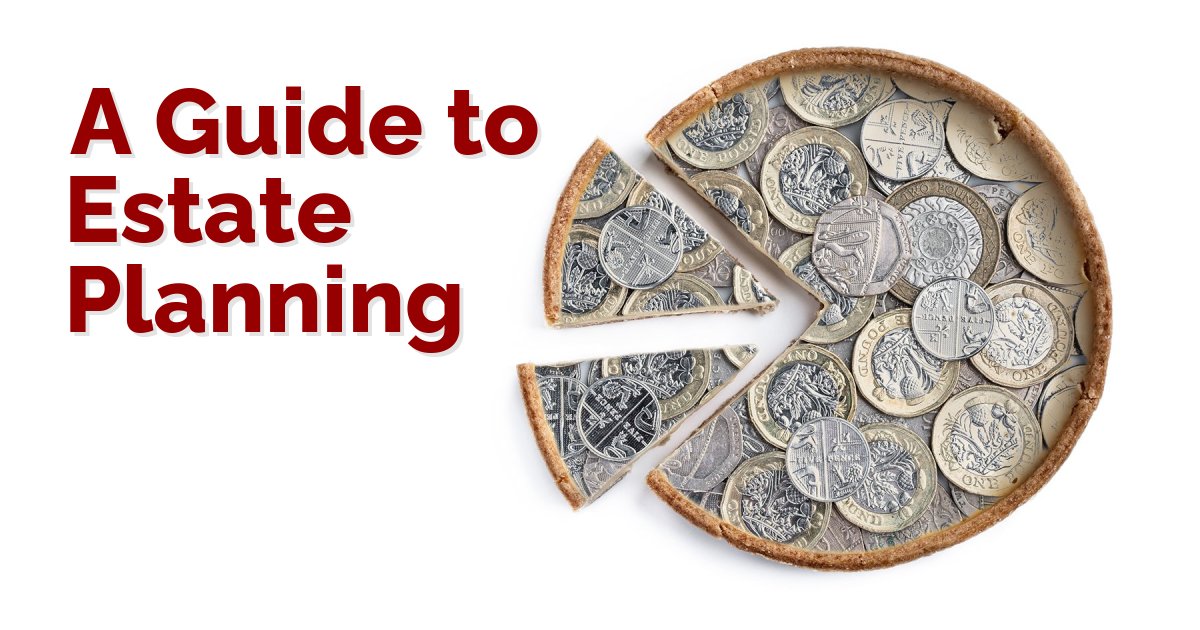
Enter the Revocable Living Trust.
If a Will is a letter, a Trust is a “vault.” You place your assets inside the vault while you are alive.
You still have the combination and can move things in and out.
But when you pass away, the vault simply changes hands to your “Successor Trustee” without the need for a court’s permission.
Privacy: Trusts are private; Wills are public record.
Speed: Assets in a Trust can be distributed in weeks; Probate can take years.
Control: A Trust allows you to put “strings” on the money—for example, releasing funds to a grandchild only when they graduate college.
The “Life Insurance” Liquidity Bridge Estate planning often hits a snag when the “Estate” is made of “stuff” rather than “cash.” If your wealth is tied up in a family farm, a business, or a collection of real estate, your heirs may face a massive tax bill or administrative costs but have no cash to pay them.
This often leads to a “fire sale,” where assets are sold for pennies on the dollar just to satisfy the tax man.
Life insurance is the “Liquidity Bridge.” It provides an immediate, tax-free influx of cash the moment it is needed.
It allows the heirs to pay the taxes, settle the debts, and keep the family assets intact.
In the narrative of your legacy, life insurance is the “plot device” that saves the protagonist from financial ruin in the final act.

The Power of Attorney: Protecting the Living Estate planning is not just about what happens after you die; it’s about what happens if you can no longer speak for yourself.
Durable Power of Attorney: Designates someone to handle your finances if you become incapacitated.
Healthcare Proxy (Advanced Directive): Designates someone to make medical decisions.
Without these “characters” in your plan, your family might have to sue for guardianship just to pay your mortgage or decide on your surgery.
It is a preventable nightmare that requires only a few signed documents today.
The Human Side: Letter of Wishes Beyond the cold legal jargon of a Trust or a Will, there is the Letter of Wishes.
This is a non-binding document where you explain the why behind your decisions.
It is where you pass down your values, your hopes for your children, and the wisdom you’ve gathered over thirty years of financial stewardship.
It is the “soul” of the estate plan.
It prevents resentment by helping your heirs understand that your choices were made with love and foresight, not out of favoritism.

Conclusion: Closing the Book with Grace A 30-year financial plan that lacks an estate strategy is like a beautiful bridge that ends halfway across a canyon.
You’ve done the hard work of accumulation, the strategic work of allocation, and the protective work of insurance.
Now, you must ensure the hand-off is seamless.
By taking the time to draft your “Final Manuscript,” you are performing the ultimate act of leadership for your family.
You are removing the burden of uncertainty and replacing it with the clarity of a vision.
You are ensuring that your life’s work continues to provide shade for the people you love, long after the sun has set on your personal journey.
News
The Final Summit: The Integration of Wealth, Wisdom, and Worth
The Final Summit: The Integration of Wealth, Wisdom, and Worth Introduction: The View from the Peak Every great story has…
The Zen of Finance: Finding Clarity in a World of Noise
The Zen of Finance: Finding Clarity in a World of Noise Introduction: The Fog of Abundance We live in an…
The Sovereign Self: The Strategic Path to Financial Independence
The Sovereign Self: The Strategic Path to Financial Independence Introduction: Redefining the Finish Line For generations, the “Standard Narrative” of…
The River of Revenue: Mastering the Flow of Passive Income
The River of Revenue: Mastering the Flow of Passive Income Introduction: The Mirage of “Doing Nothing” In the popular mythology…
The Owner’s Advantage: Equity, Enterprise, and the Engine of Scale
The Owner’s Advantage: Equity, Enterprise, and the Engine of Scale Introduction: Beyond the Hourly Rate In the early chapters of…

The Currency of Impact: The Strategic Art of Giving Back
The Currency of Impact: The Strategic Art of Giving Back Introduction: The Final Stage of Wealth In the natural progression…
End of content
No more pages to load